Storm & Emergency
My Tree Is Leaning After a Hurricane: What Should I Do?
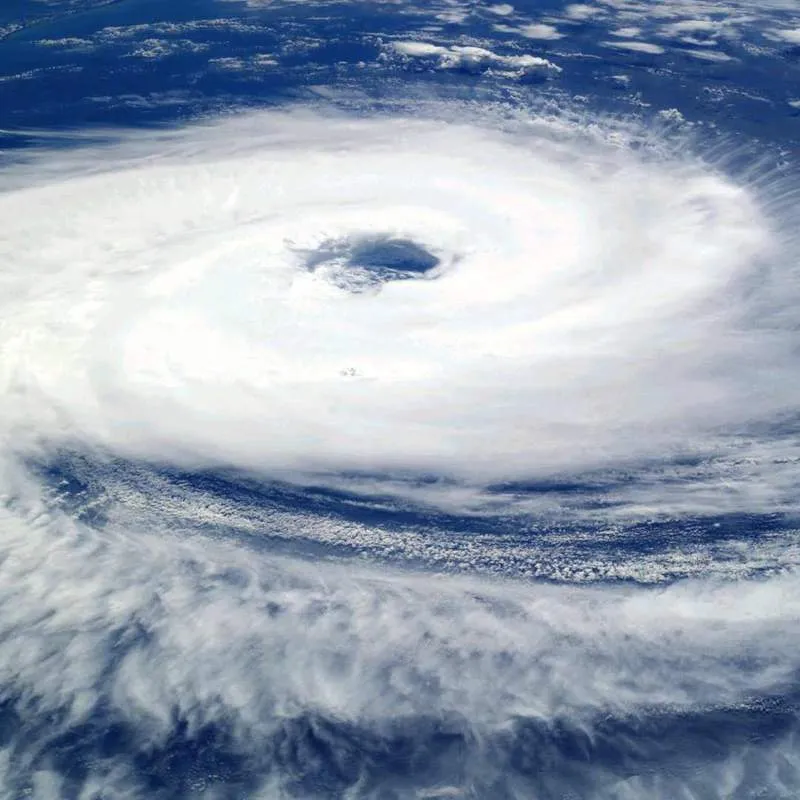
Hurricanes bring ferocious winds, torrential rain, and saturated ground that can destabilize even the mightiest trees. If you’ve walked your Gainesville property after a storm and found a tree tilting where it used to stand straight, the first question is usually the same: is it going to fall — and can it be saved?
Here’s how to think about it.
Why trees lean after a hurricane
A few forces tend to combine during a storm:
- Saturated soil and root instability. Heavy rain softens the ground and loosens its grip on the roots. Once the anchor weakens, wind — or even the tree’s own weight — can tip it.
- Wind force. Hurricane winds routinely exceed 74 mph, putting enormous pressure on a tree’s canopy. That pressure pushes trees over, especially when the root system is already compromised.
- Structural damage. Broken limbs or a split trunk shift the tree’s center of gravity, pulling it off vertical.
- Shallow root systems. Species common in Florida — pines and palms in particular — often have shallow roots that make them more prone to leaning.
Understanding why a tree leans is the first step in figuring out whether it’s at risk of falling or dying. And the clearest early indicator is the lean angle.
What the lean angle tells you
The angle a trunk deviates from vertical is one of the key metrics arborists use to evaluate a tree after a storm.
- Under 15 degrees is generally considered safe, provided the roots and trunk are intact.
- 15 to 30 degrees calls for a close inspection — these trees may still be salvageable with the right care.
- Beyond 30 degrees, mortality and failure risk climb sharply, usually from root damage or structural instability.
But the angle alone doesn’t tell the whole story. Soil type, species, and root depth all matter. A shallow-rooted tree leaning 20 degrees in Gainesville’s sandy soil is far less stable than a deep-rooted live oak at the same angle in heavier soil. That’s why a measurement from a certified arborist beats a guess from the ground.
Why leaning trees often decline — even if they don’t fall
A lean isn’t just cosmetic. It’s often a sign of serious stress that can lead to a slow decline:
- Root damage. When a tree leans, roots are frequently torn or severed, cutting off the tree’s ability to take up water and nutrients.
- Compromised vascular system. Leaning can damage the internal tissues that move water and nutrients, so the tree effectively starves or becomes vulnerable to pests.
- Constant mechanical stress. A tree that can’t return upright lives under continuous strain, which wears it down over time.
- Secondary threats. Exposed roots and stressed tissue invite fungal infection and insect infestation, accelerating the decline.
Research suggests that up to 30% of trees that lean significantly after a hurricane die within a year if left untreated. The encouraging news: not all leaning trees are doomed. Many recover with prompt, appropriate intervention.
Can a leaning tree be saved?
Often, yes — especially with a mild to moderate lean and a quick response:
- Staking and cabling. For a lean under about 20 degrees, professional staking or cabling can support the tree while its roots re-establish. This is a job for a pro; done wrong, it causes more damage.
- Soil aeration and care. Waterlogged, compacted soil suffocates roots. Aerating and feeding can improve root health and encourage recovery.
- Pruning. Removing damaged or heavy limbs reduces the load on a leaning tree and helps restore its balance.
- Monitoring. Regular checks catch early signs of decline — wilting, fungal growth — in time to act.
When the lean exceeds 30 degrees or the root plate is badly damaged, removal becomes the safer path to keep the tree from falling on people or property.
When to call a professional
Don’t wait on a leaning tree if you notice any of these:
- The tree is leaning more than 15 degrees
- Roots are lifted out of the ground or visibly broken
- The trunk shows cracks, splits, or signs of rot
- The tree is within striking distance of a home, power line, or other structure
In those cases, treat it as urgent. The Wood Doctor offers 24/7 emergency tree service across Gainesville and Alachua County — we’ll measure the lean, evaluate root and trunk health, and tell you honestly whether the tree can be stabilized or needs to come down. If it does come down, our debris hauling crew can clear the mess the same visit.
Reducing the risk before the next storm
You can’t stop a hurricane, but you can make your trees more resilient:
- Choose deep-rooted species like live oaks and bald cypress when planting.
- Prune regularly to reduce wind resistance and prevent heavy, unbalanced limbs. (The best window for major oak pruning is late winter, well ahead of storm season.)
- Keep soil healthy and well-drained to support strong roots.
- Schedule a pre-season inspection to catch weak or damaged trees before the winds arrive.
Dealing with a leaning tree in Gainesville?
Hurricanes may bend trees, but with a quick, informed response, many can stand tall again — and the ones that can’t should come down before they cause harm. If a tree on your property is leaning after a storm, don’t wait. Request a free assessment or call The Wood Doctor at (352) 816-0826, and we’ll help you protect your home and your landscape.