Tree Trimming
How to Trim Palm Trees in Florida
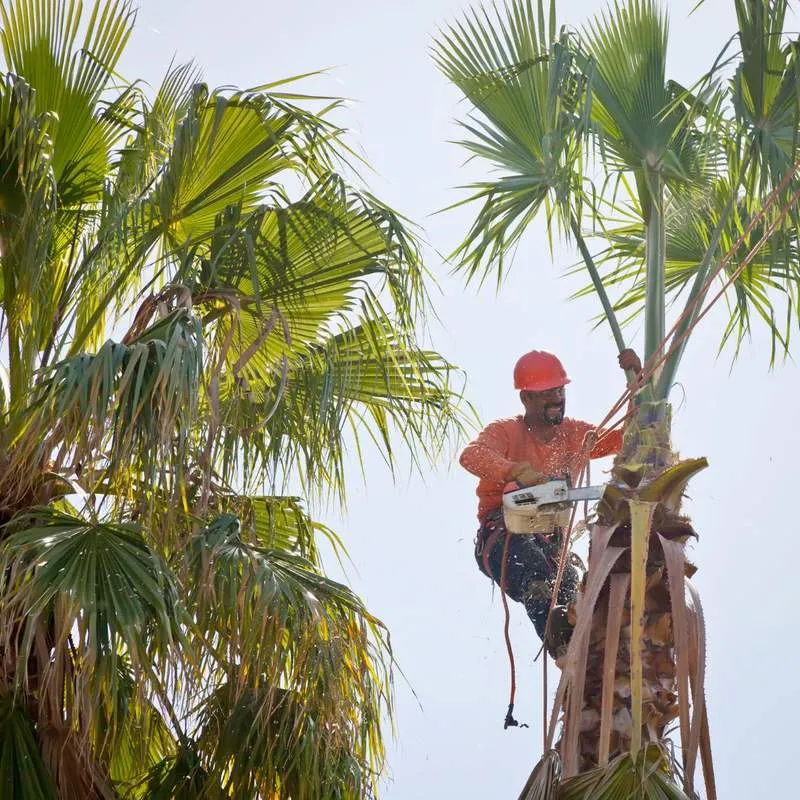
Wondering how to trim palm trees in Florida? Proper palm trimming is essential for keeping your trees healthy and looking their best, especially in Gainesville’s warm, storm-prone climate. This guide covers the best techniques, the right timing, the tools to use, and the safety precautions that keep both you and your palms out of trouble.
Palm trees are practically Florida’s mascot — those swaying fronds scream Sunshine State. But keeping them sharp and healthy takes more than a pair of clippers and good intentions. Trimming isn’t just about aesthetics; it’s about promoting growth, preventing pests, and ensuring safety. In Gainesville, an overgrown palm can turn a summer squall into a flying-frond hazard. As a local tree trimming service, we’ve trimmed countless palms and learned what works — and what doesn’t.
Why trimming palm trees in Gainesville matters
Before the how-to, it’s worth understanding why palm trimming is more than cosmetic. In Florida’s humid, storm-prone climate, untrimmed palms can become a mess — or a liability.
- Health. Removing dead, yellowing, or brown fronds lets the tree focus its energy on new growth, and reduces the risk of fungal infections that thrive in muggy weather.
- Safety. Loose fronds fall during storms and can damage property or injure someone. In Gainesville, where summer squalls and the occasional hurricane roll through, that’s a real concern.
- Pest prevention. Overgrown and dead fronds attract palmetto bugs and rodents that nest in the debris. Trimming keeps them at bay.
- Curb appeal. A tidy palm simply looks better — whether it’s a stately Mexican fan palm or a classic cabbage palm.
When’s the best time to trim palm trees in Florida?
Timing is everything. In Florida, the best window is late spring to early summer — think May through June. Here’s why:
- Growth cycle. Palms are actively growing during this period, so trimming encourages healthy new fronds.
- Storm prep. Trimming before hurricane season (June through November) clears loose fronds before they can become dangerous debris.
- Milder weather. Spring and early summer are less brutally hot than July and August, making the work safer and easier.
Avoid trimming in late fall or winter (roughly November through February). Palms slow their growth in cooler months, and cutting fronds then can stress the tree. And don’t trim right after a storm unless it’s an emergency — wet fronds are heavier and harder to handle safely.
Pro tip: only trim fronds that are completely brown, yellow, or hanging below the “9-to-3” line — picture a clock face on the palm’s canopy. Over-trimming, sometimes called “hurricane cutting,” removes too many green fronds and weakens the tree.
Tools you’ll need
Trimming a palm isn’t a job for kitchen scissors. Here’s the basic kit:
- Pruning shears — for small, thin fronds. Sharp, bypass-style shears make the cleanest cuts.
- Lopping shears — for thicker fronds; the longer handles give you extra leverage.
- Pole saw — for tall palms, so you can reach high fronds without a ladder.
- A sturdy, non-slip ladder — for medium-height palms only, and only if you’re experienced.
- Gloves and safety glasses — fronds are sharp and debris flies.
- Tarp or wheelbarrow — to make cleanup painless.
Sanitize your tools with rubbing alcohol or a bleach solution before and after use to avoid spreading disease between trees.
A quick disclaimer: these DIY tips are for educational purposes. Trimming a palm yourself — especially a tall one — is genuinely dangerous, and we recommend calling a professional tree service for anything beyond a small, ground-level palm.
How to trim a palm tree: step by step
1. Assess the tree. Walk around the palm and identify what needs to go: dead or brown fronds, yellowing fronds that are mostly spent, anything hanging below the horizontal “9-to-3” line, and heavy seed pods or fruit clusters. Leave green, healthy fronds alone — they’re still feeding the tree.
2. Set up safely. Lay a tarp under the tree to catch debris. If you’re using a ladder, put it on flat ground and have someone spot you. For tall palms, use a pole saw or call a pro. Wear gloves, glasses, and sturdy shoes — not flip-flops.
3. Start trimming. On small palms, cut fronds close to the trunk but leave about an inch to avoid damaging the bark, angling the cut slightly so water doesn’t pool. On tall palms, use a pole saw and let the frond’s weight guide the cut, taking care not to tear the bark. Remove seed pods and fruit, which attract pests and make a mess. Work from the bottom up, and section heavy fronds so you can control the fall.
4. Clean up. Collect everything on the tarp and haul it to green waste — and check Gainesville’s local rules for yard-waste pickup, since some areas have specific requirements for palm fronds. (If you’d rather not deal with it, debris hauling is part of what we do.)
5. Inspect the tree. Afterward, check for signs of stress like trunk cracks or oozing sap. If something looks off, have an arborist take a look.
Common mistakes to avoid
- Over-trimming. Cutting green fronds or trimming above the “9-to-3” line starves the tree. Less is more.
- Ignoring safety. Climbing a tall palm without proper gear or training is how people get hurt. When in doubt, hire a pro.
- Dirty tools. Unclean blades can spread diseases like fusarium wilt, which is deadly to palms.
- Wrong timing. Winter trimming, during the palm’s slow season, weakens the tree.
When to call a professional in Gainesville
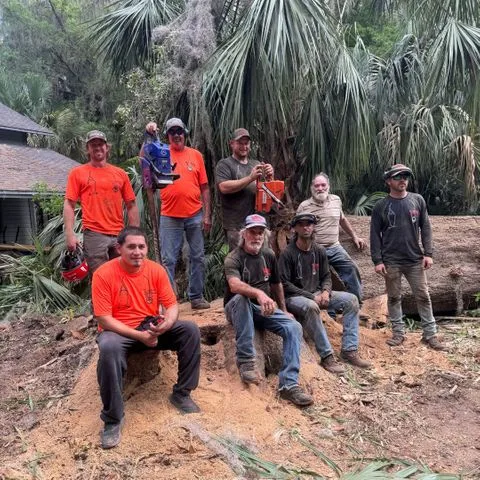
Small palms are DIY-friendly; taller or trickier ones aren’t. Pick up the phone when you’re dealing with:
- Height — palms over about 15 feet need bucket trucks or climbing gear.
- Storm damage — broken or hanging fronds need quick, safe removal.
- Health issues — discolored fronds or a leaning trunk should be diagnosed by a professional.
- Time and effort — trimming is sweaty work, and a pro gets it done faster and cleaner.
Our certified crew knows Florida’s palm species inside out, from sabals to Washingtonians, and we have the equipment to trim safely at any height.
A note on local regulations
In Gainesville, you may need a permit to trim or remove certain palms, especially on public property or with protected species, so it’s worth checking with the City of Gainesville’s Urban Forestry Division before you start. Many HOAs also have their own rules. A local tree service can help you navigate both. (For removals specifically, see our guide on whether you need a tree removal permit in Gainesville.)
Need a hand with your palms? Request a free quote or call The Wood Doctor at (352) 816-0826. We serve Gainesville, Micanopy, and all of Alachua County.