Tree Laws & Permits
Do You Need a Tree Removal Permit in Gainesville, FL? Your Ultimate Guide
Living in Gainesville, you’re surrounded by live oaks draped in Spanish moss, towering pines, and sabal palms. Those trees are a big part of what makes our city a “Tree City USA” — but when one needs to come down, whether it’s damaged, diseased, or in the way of a project, you may be asking: do I need a tree removal permit in Gainesville, FL?
The answer isn’t always simple. Gainesville’s tree-protection rules are strict, and removing a tree without the right permit can mean steep fines. Here’s how it works.
Please note: this guide is general information, not legal advice. The thresholds and fees below were accurate at the time of writing — always confirm the current numbers with the city or a tree professional before you act.
Why Gainesville requires permits at all
Gainesville’s urban forest isn’t just scenery — it supports the ecosystem, manages stormwater, and props up property values. The city’s Land Development Code includes tree-protection ordinances, especially for “protected” and “heritage” trees like live oaks and bald cypresses. Those rules help:
- Maintain the city’s iconic tree canopy
- Protect local wildlife habitat
- Prevent erosion and flooding in our humid, storm-prone climate
The upshot: you can’t just fire up a chainsaw without checking the rules first.
When a tree removal permit is required
Not every removal needs a permit, but many do. You’ll likely need one in these situations:
Protected trees. Trees with a diameter at breast height (DBH) of 6 inches or more — measured 4.5 feet above the ground — are typically protected. For some species, like dogwoods, the threshold drops to 4 inches. Heritage trees such as live oaks and southern magnolias at 20 inches DBH or more require special permits because of their ecological and cultural value. Trees on public property, near wetlands, or in conservation areas almost always need a permit regardless of size.
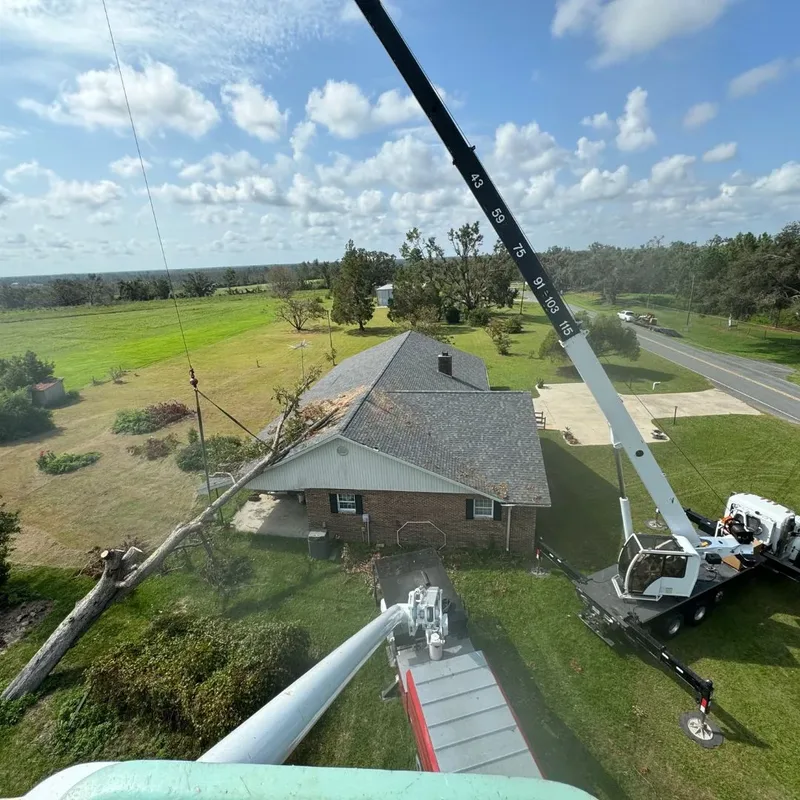
Hazardous or dead trees. A dead, dying, or genuinely hazardous tree (say, one leaning after a storm) may qualify for a permit exemption — but you’ll usually still need to notify the city. A certified arborist’s report documenting the hazard speeds things up. (If a storm has left a tree leaning on your property, that’s exactly the kind of hazard worth documenting.)
Development and construction. Planning a new home or commercial project? Lot clearing for development requires a permit along with a tree survey and a mitigation plan. The city often mandates replanting to offset removals, especially for protected species.
Possible exceptions. You may not need a permit for small trees (under 6 inches DBH for non-heritage species), non-protected trees on single-family residential lots, or emergency removals due to immediate danger — though you should still report emergencies to the city afterward.
Still unsure? You can call Gainesville’s Planning and Development Services at (352) 334-5023, or let us evaluate your tree for free.
How to get a permit, step by step
1. Evaluate the tree. Determine whether it’s protected or hazardous. A certified arborist can measure the DBH, assess its health, and confirm whether a permit is needed.
2. Prepare your application. Submit through Gainesville’s Planning and Development Services Department. You’ll typically need a site plan showing the tree’s location, the reason for removal, photos or an arborist’s report for hazardous trees, and a mitigation plan if one’s required. Applications can be filed online through the city’s e-permitting portal or in person at 306 NE 6th Ave, Gainesville, FL 32601.
3. Pay the fees. Costs vary by tree size and project scope. Residential permits typically run $25 to $100, while commercial or large-scale removals cost more. Confirm exact fees with the city.
4. Wait for approval. The city generally reviews applications within 5–10 business days. Approvals may come with conditions, such as replanting native trees. If denied, you can appeal or revise your plan.
5. Hire a licensed pro. With the permit in hand, trust a licensed service for safe, compliant tree removal — from the cut to the cleanup.
Tips to keep the process smooth
- Start early. Apply weeks ahead, especially for development projects, to account for review time.
- Get expert help. An arborist’s report can justify a hazardous-tree removal and improve your odds of approval.
- Know your trees. Check whether yours is a protected species like a live oak before you plan around it.
- Plan mitigation. If replanting is required, choose native species to meet city standards.
- Stay compliant. Skipping a permit can bring fines of $1,000 or more — it’s not worth the risk.
Why work with The Wood Doctor
Tree removal with permits involved isn’t a DIY job. Gainesville homeowners and businesses trust us because we know the local ordinances and climate, we use the right equipment to protect your property, and we can guide you through the permit process — or handle the application for you — from assessment all the way through cleanup.
Navigating a removal doesn’t have to be daunting. Request a free consultation or call (352) 816-0826, and our certified arborists will assess your tree, help with the permit, and handle the removal with care — all while keeping Gainesville’s urban forest intact.