Tree Trimming
When's the Best Time to Trim Oak Trees in Florida?
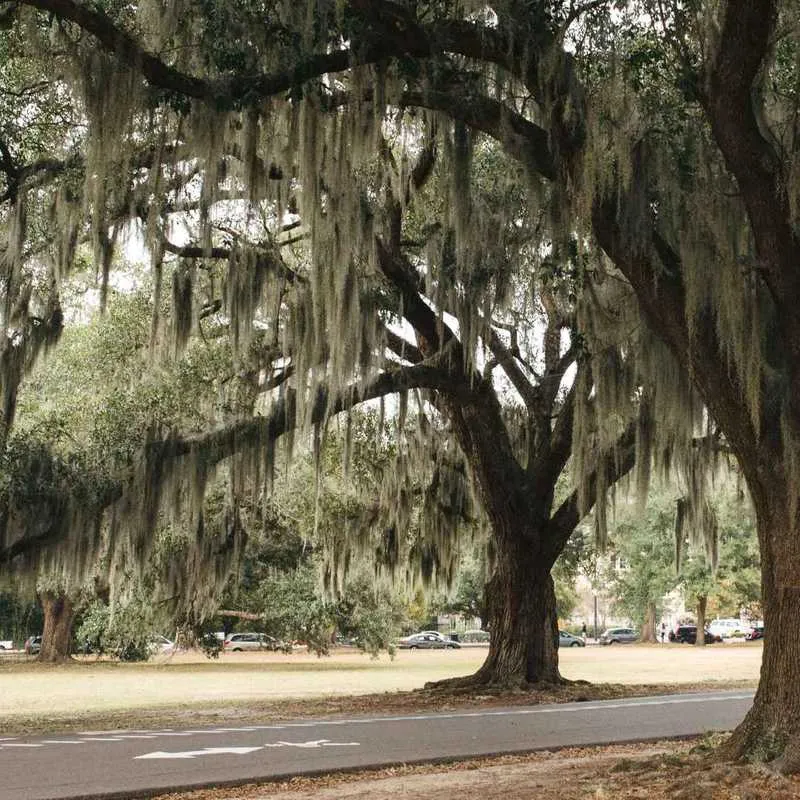
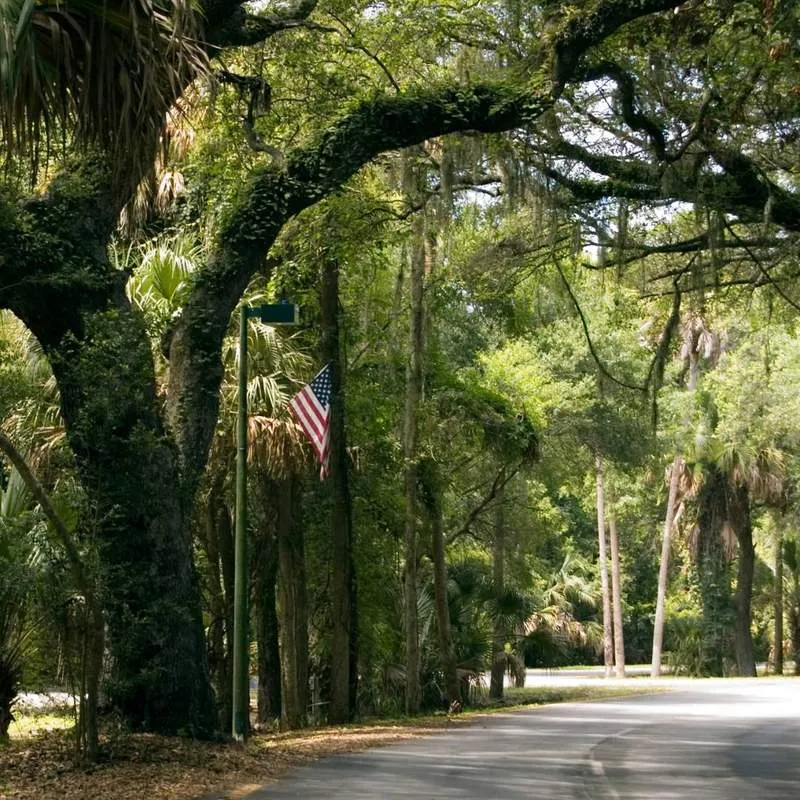
It’s one of the most common questions we hear from homeowners in Gainesville, Micanopy, and across North Central Florida: when should I trim my oak trees? The answer matters more than most people realize. Trim at the wrong time and you risk disease, pest infestation, and long-term damage to a tree that may have taken decades to grow. Trim at the right time and you set your oak up for stronger growth, better structure, and a longer life.
Here’s what you need to know.
Why timing matters so much for oaks
Oak trees are vulnerable to disease — particularly the fungal pathogens that thrive in Florida’s warm, humid climate. Every fresh pruning cut is an open wound, and an open wound is an entry point for disease and insects. How and when you make those cuts determines how well the tree can defend itself.
During the cooler, drier months, the tree’s biology works in your favor. During the heat of summer, it works against you.
The disease most arborists worry about is oak wilt. While it’s more widespread in Texas and the upper Midwest, it has been documented in Florida, and the risk climbs when trees are pruned during warm months — exactly when the beetles that spread the fungus are most active. It’s not a reason to panic, but it is a reason to be deliberate about timing.
The best time of year to trim oaks in Gainesville
Late winter to early spring — December through March — is the ideal window. This is when Florida oaks are at their least active, pest pressure is lowest, and the tree’s natural healing response is primed to kick in right as spring growth begins.
During this dormant period:
- Fresh cuts are exposed to far fewer insects and fungal spores
- Wounds close more efficiently as spring growth arrives
- You can see the tree’s structure clearly without a full canopy in the way
- The tree redirects energy into healthy new growth rather than a prolonged wound response
For Gainesville homeowners specifically, late January through February tends to be the sweet spot — cool enough to minimize pest activity, but close enough to spring that the tree bounces back fast.
When not to trim
Avoid pruning oaks from May through October. During these months:
- Beetle activity peaks, and beetles are the primary vector for oak wilt
- Fungal spores are abundant in the warm, humid air
- Trees are already under heat and drought stress
- Healing is slower and disease risk is significantly higher
The one exception is safety. Dead, diseased, or hazardous limbs should be removed promptly, regardless of the season. A branch at risk of falling on your home, vehicle, or family doesn’t get to wait until December — that’s a job for emergency tree service, not the calendar.
Florida’s oak species: know what’s in your yard
North Central Florida is home to several oak species, and they’re not all the same. Understanding what you’re working with matters.
Live oaks are the dominant species in Gainesville neighborhoods and one of the defining features of the city’s canopy. They’re evergreen — they don’t fully drop their leaves in winter the way northern oaks do — so their dormancy is less pronounced. They’re also among the most structurally complex trees to prune correctly, with wide-spreading canopies and extensive root systems that contribute to their stability. Improper cuts can create structural imbalances that aren’t obvious at first but become problems over time.
Laurel oaks are common throughout Alachua County and tend to have a shorter lifespan than live oaks. They grow faster but are more brittle, and they’re prone to interior deadwood that needs regular removal to reduce storm-hazard risk.
Water oaks are frequently found in lower, wetter areas. They’re fast-growing, moderately short-lived, and often develop structural issues that call for professional assessment rather than DIY pruning.
Each species responds differently to pruning — one of the main reasons local knowledge matters so much here.
How much should you prune?
As a general rule, never remove more than 20–25% of the canopy in a single session. More than that puts the tree under significant stress and can trigger weak regrowth or leave it open to disease.
Focus on:
- Dead, dying, or diseased branches
- Branches that cross or rub against each other
- Limbs that threaten structures, vehicles, or people
- Interior deadwood that increases storm-damage risk
And resist the urge to “lion’s tail” the tree — stripping out interior branches to leave a tufted, end-heavy look. It’s bad for the structure and leaves the tree far more vulnerable to wind damage.
What professional oak trimming looks like
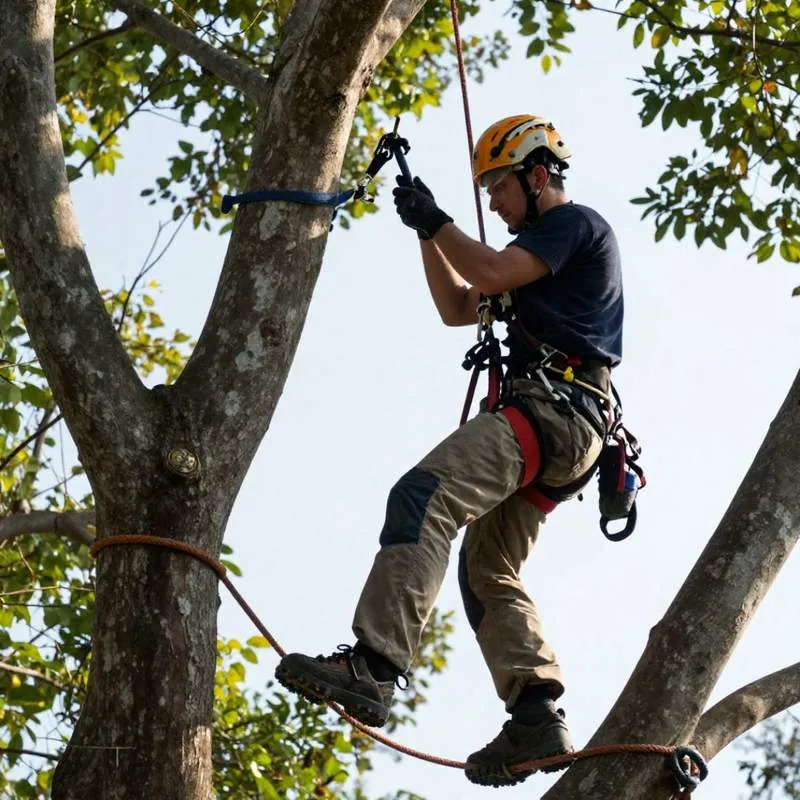
Trimming large oaks without the right knowledge and equipment is one of the more dangerous projects a homeowner can take on. A certified crew brings more than a chainsaw — they bring an understanding of tree biology, structure, and the local conditions that shape how your specific tree should be handled.
Professional tree trimming involves:
- Sharp, clean tools — dull or dirty blades tear bark and leave ragged wounds that heal slowly and invite disease
- The three-cut method — for larger branches, an undercut a few inches out, a top cut slightly farther out, then a final cut to remove the stub cleanly, preventing bark stripping and protecting the branch collar
- Branch collar preservation — cutting just outside the swollen collar where branch meets trunk lets the tree seal the wound naturally
- No topping — removing the main leader or making large flat cuts across the top of an oak is one of the most damaging things you can do, yet it’s still common among unqualified crews
Trim before hurricane season
Gainesville’s storm season runs June through November — overlapping directly with the months you shouldn’t be pruning. That’s exactly why late-winter and early-spring trimming matters so much for Florida homeowners: it’s your window to address structural issues, remove weak limbs, and reduce wind resistance before the season starts. An oak that enters hurricane season with sound structure and no deadwood is far less likely to damage your property.
If you missed the winter window and a storm is bearing down, focus only on removing obviously dead or hanging limbs that are immediate hazards — and call a professional rather than attempting major pruning under pressure. (If a tree is already leaning after a storm, here’s what to do about a leaning tree.)
Need oak tree trimming in Gainesville or Micanopy?
The Wood Doctor has been trimming oaks across North Central Florida for over 10 years. We know the species, we know the timing, and we know what it takes to keep Gainesville’s canopy healthy for the long haul — from routine pruning to storm prep and hazard removal. And we always leave your property cleaner than we found it.
Request a free quote online or call us at (352) 816-0826. We serve Gainesville, Micanopy, and communities throughout Alachua County.