Why Late Winter Is Prime Time for Major Tree Pruning and Deadwood Removal in Gainesville

As we step into January 2026 here in Gainesville, Florida, the air carries a subtle chill that's a far cry from the sweltering summers we're accustomed to. While our winters are mild compared to northern states, this late winter period—from January through February—offers a golden window for tree care that many homeowners overlook. If you're gazing out at your yard's oaks, crape myrtles, or magnolias, now is the time to consider major tree pruning and deadwood removal.

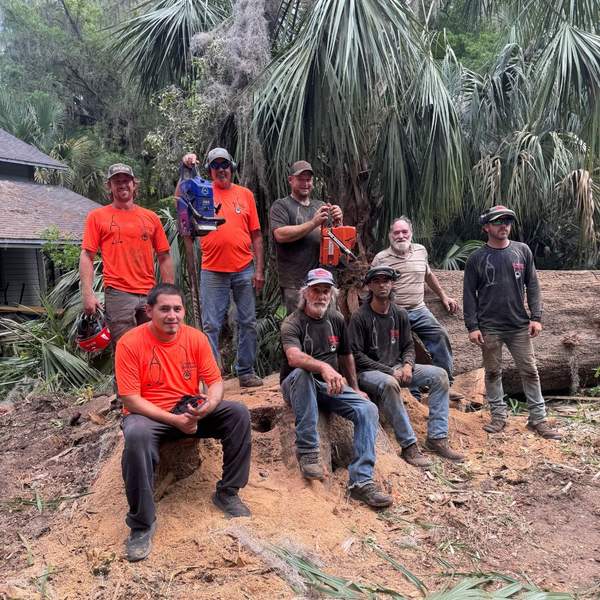
At The Wood Doctor Tree Service, we've seen firsthand how this seasonal strategy not only minimizes stress on your trees but also sets them up for success come spring. In this article, we'll dive into why late winter is the prime time for these tasks in our North Central Florida climate, exploring the benefits for storm resilience, vigorous growth, and disease prevention. Whether you're a seasoned gardener or a new homeowner in Alachua County, understanding these practices can help keep your landscape thriving.
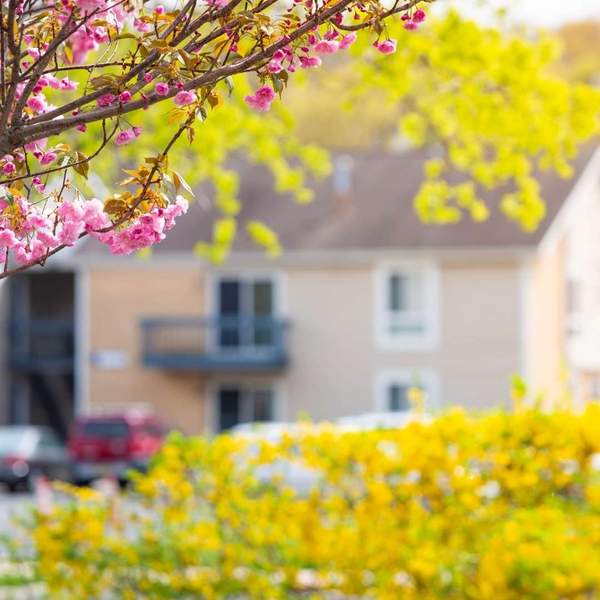
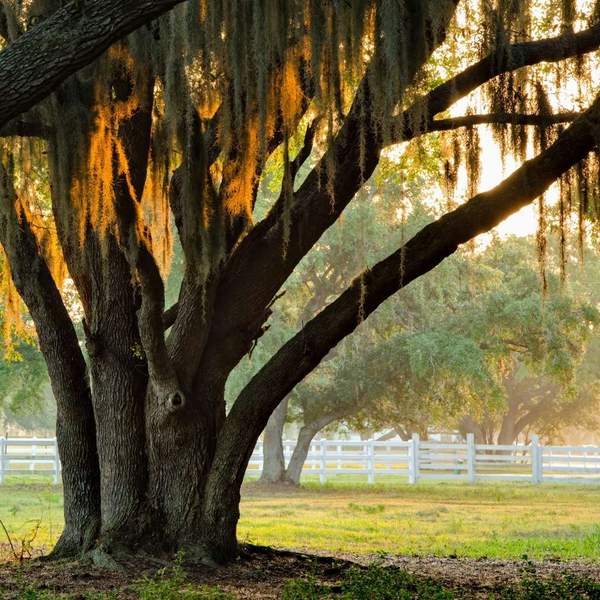
Late winter tree pruning Gainesville

Understanding Gainesville's Mild Winter and Tree Dormancy

Gainesville's unique subtropical climate means our trees don't experience the deep freezes of colder regions, but they do enter a semi-dormant state during these cooler months. Temperatures often hover between 40°F and 70°F, with occasional dips that signal trees to conserve energy. This dormancy is key to reducing stress during heavy pruning or deadwood cleanup. For instance, when you prune a tree in late winter, it's not actively pushing out new leaves or flowers, so it loses less sap and vital nutrients. This is particularly beneficial for common Gainesville species like live oaks, which dominate our urban canopy, crepe myrtles with their vibrant summer blooms, and magnolias that add evergreen elegance to yards.

Late winter tree pruning Gainesville

Benefits for Key Local Tree Species

Take live oaks, for example—these majestic trees, often centuries old in our area, are prone to issues like oak wilt if pruned at the wrong time. Late winter pruning, ideally in January or February, allows wounds to heal quickly before the active growth season kicks in, minimizing the risk of fungal infections spread by insects that become more active in spring.

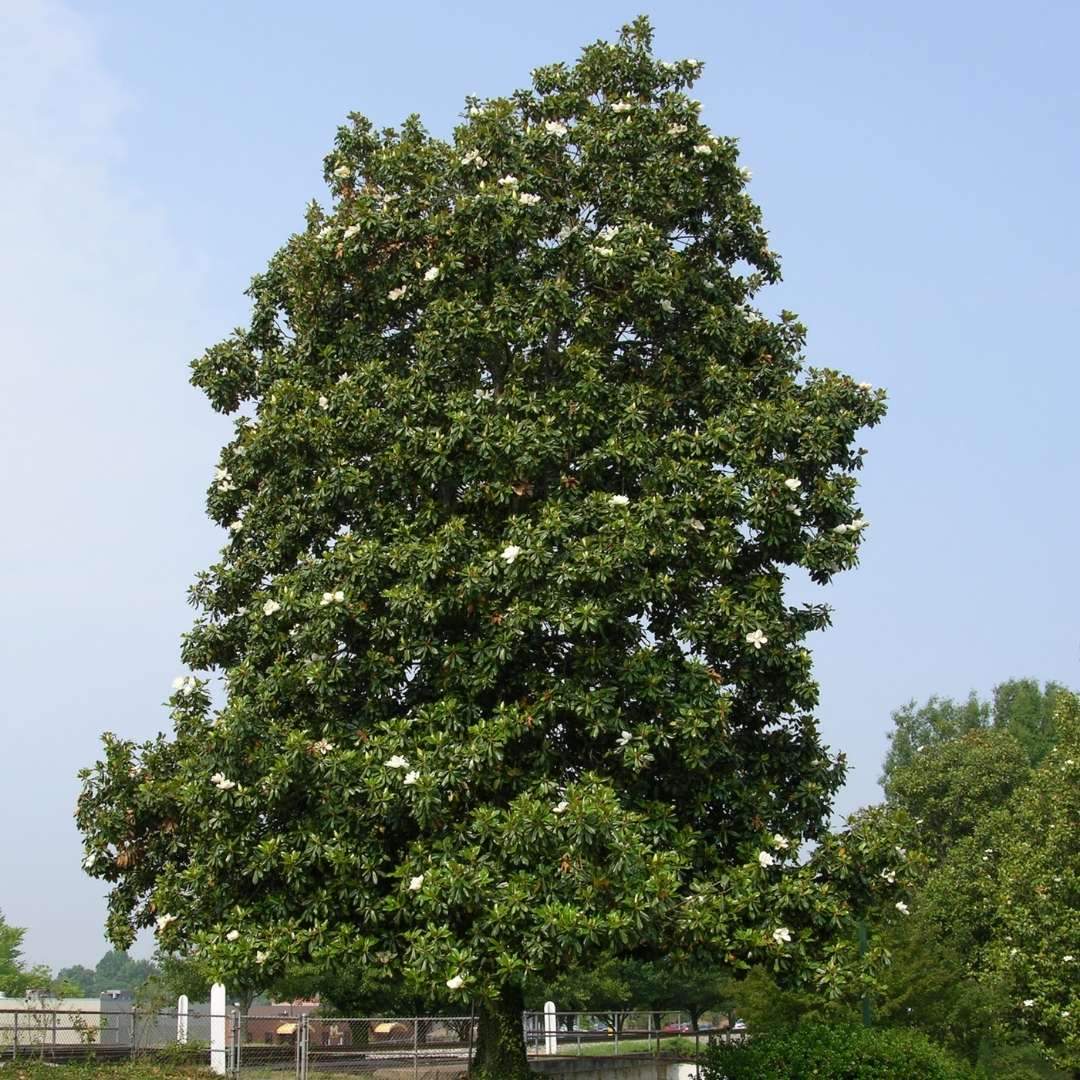
Crape myrtles, a staple in Gainesville landscapes for their drought tolerance and colorful displays, respond best to pruning during this dormant phase. Experts recommend focusing on removing suckers at the base, crossing branches, and inward-growing limbs in February to shape the tree without shocking it. Similarly, magnolias, with their large, glossy leaves, benefit from deadwood removal now, as the lack of foliage makes it easier to spot and excise problematic branches without disrupting the tree's energy flow.

Palm Tree Trimming in Gainesville, FL

Boosting Storm Resilience Ahead of Hurricane Season

One of the most compelling reasons to tackle major pruning and deadwood removal in late winter is the boost it gives to storm resilience—a critical concern in Gainesville, where hurricane season looms from June to November. Our area in North Central Florida sees its share of tropical storms, with high winds that can turn weak branches into projectiles.

By pruning in January or February, you're essentially fortifying your trees against these threats. Removing deadwood, those brittle, lifeless limbs that accumulate over time, eliminates potential failure points during gusty weather. Professional pruning thins out overcrowded canopies, improving air circulation and reducing wind resistance, which helps trees bend rather than break.

In fact, studies and arborist experiences show that regularly maintained trees have fewer failures during storms compared to neglected ones. For Gainesville residents, this pre-spring prep can mean the difference between a minor cleanup after a storm and a major headache. Imagine your live oak, pruned to a balanced structure in late winter, standing tall through a summer squall. Or your crape myrtle, free of deadwood, avoiding the top-heavy sway that leads to uprooting.

At The Wood Doctor Tree Service, our certified arborists assess each tree's structure during this dormant season, ensuring cuts promote a strong framework that enhances long-term stability. This isn't just about aesthetics; it's about safeguarding your property in a region where storms are part of life.

Southern Magnolia Tree Requiring Winter Pruning.jpg

Encouraging Vigorous Spring Growth

Crape myrtles pruned in February often reward you with more abundant blooms, as the tree focuses on flowering rather than repairing damage. Magnolias, too, benefit from this timing, emerging with robust new leaves and flowers that enhance curb appeal.

This approach aligns perfectly with Florida's growth cycles. In our mild winters, trees like these enter a rest phase where pruning wounds seal faster, thanks to lower evaporation rates and reduced metabolic activity. Homeowners who wait until spring or summer risk stressing the tree, leading to slower recovery and potential dieback. Instead, late winter work stimulates a flush of vigorous shoots, resulting in denser, healthier foliage.

We've helped countless Gainesville clients transform leggy, overgrown trees into vibrant specimens through targeted deadwood removal and shaping. It's like giving your trees a fresh start, ensuring they thrive in the humid, rainy months ahead.

Preventing Disease and Pest Issues

Disease prevention is another major advantage of scheduling these tasks in January or February. Florida's warm, wet climate fosters a host of pests and pathogens, from borers in oaks to scale on crape myrtles and fungal issues in magnolias. Pruning during the active season can expose fresh cuts to these threats, allowing entry points for infection.

In late winter, however, insect activity is minimal, and cooler temps slow disease spread. Removing deadwood is especially crucial here, as it often harbors fungi, bacteria, or pests that can migrate to living tissue. By eliminating these reservoirs, you're proactively protecting the tree's overall health. For example, dead branches on a live oak can invite oak wilt or other fungi, which thrive in warmer weather. Clearing them in dormancy prevents escalation.

The same goes for crape myrtles, where proper winter pruning avoids "crape murder"—that infamous over-pruning that weakens trees and invites disease. Magnolias, susceptible to scale and sooty mold, stay cleaner and healthier without decaying limbs attracting issues. This preventive strategy reduces the need for chemical treatments later, promoting an eco-friendly yard. At The Wood Doctor, we emphasize integrated pest management, combining deadwood removal with health assessments to keep diseases at bay.

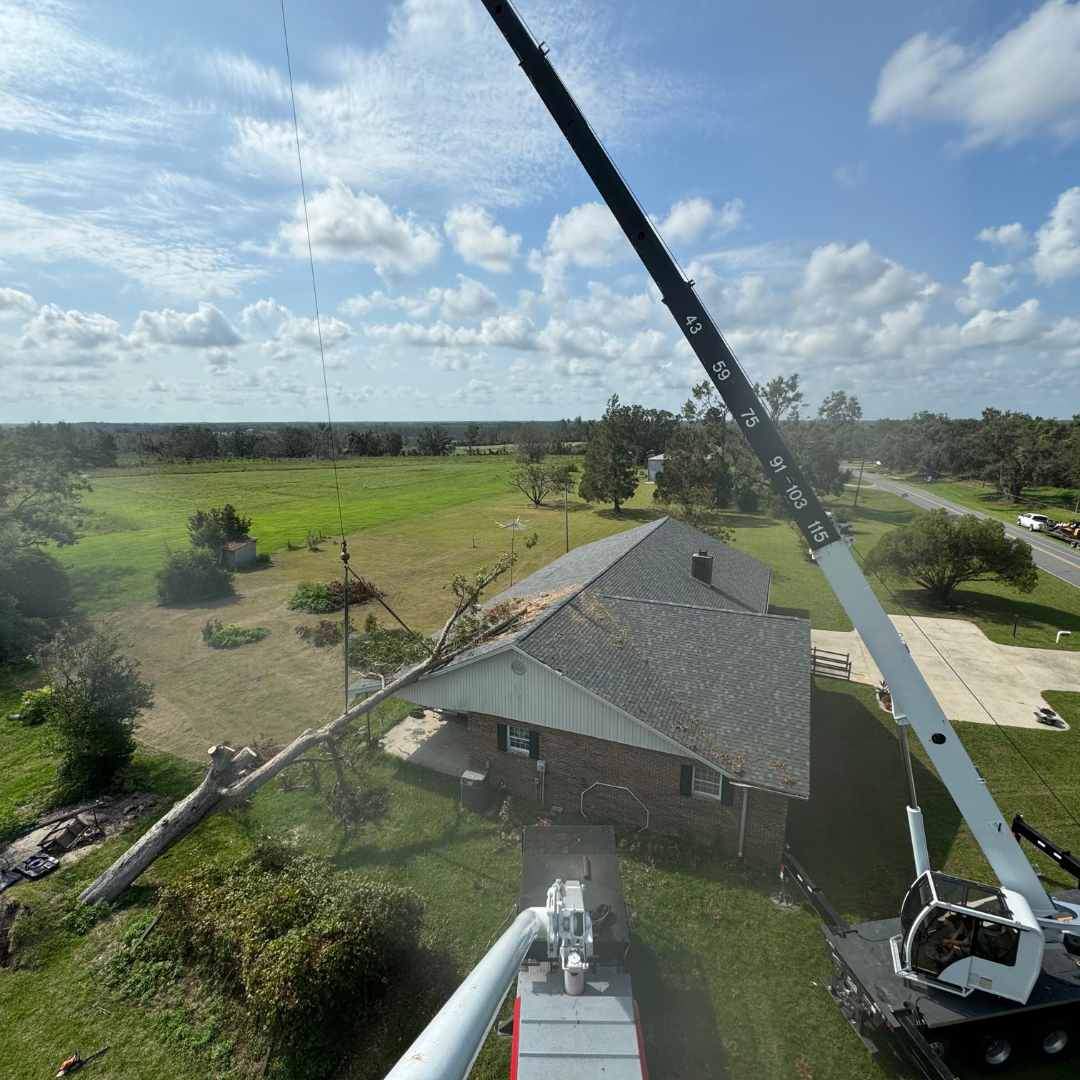
A crane removing a tree from a home

Why Professional Arborist Expertise Matters

Of course, while the benefits are clear, major pruning and deadwood removal aren't DIY jobs—especially in Gainesville, where trees can tower over homes and involve climbing or heavy equipment. This is where professional arborist expertise shines. Certified arborists, like those at The Wood Doctor Tree Service, are trained in making clean, precise cuts that encourage proper healing and maintain tree structure.

Improper cuts can lead to decay or weak regrowth, but pros use sterilized tools and follow ANSI standards to avoid these pitfalls. Safety is paramount too—deadwood high up requires safe removal to prevent falls or property damage. Our team handles everything from ground-level suckers on crepe myrtles to canopy work on oaks, ensuring no harm to you, your landscape, or the tree.

As Gainesville's trusted tree service, we're equipped for pre-spring prep, offering free consultations to tailor plans to your yard. Positioning our services as ideal for this season means we're here to make late winter maintenance seamless and effective.

Get Your Trees Ready for Spring—Contact Us Today

Late winter in Gainesville is more than just a quiet time—it's a strategic opportunity for major tree pruning and deadwood removal. By leveraging the cooler, dormant conditions, you reduce stress on trees like oaks, crape myrtles, and magnolias, while reaping benefits in storm resilience, spring vigor, and disease avoidance.

Don't wait for problems to arise; proactive care now pays dividends year-round. If you're ready to prepare your trees for a stellar 2026, contact The Wood Doctor Tree Service today.

Give us a call at (352) 816-0826 or visit www.thewooddoctortreeservice.com to schedule your consultation. Let's keep Gainesville's trees healthy and beautiful together.