Tree Root Removal in Gainesville, FL: What Homeowners Need to Know

Live oaks are one of the things that make Gainesville, Florida, such a beautiful place to live. Their sprawling canopies shade neighborhoods, line streets, and give the city much of its distinctive character. But those same trees come with root systems that can spread two to three times the width of the canopy — and when those roots start lifting your driveway, creeping under your foundation, or buckling your sidewalk, beauty takes a back seat to practicality.

Tree root problems are common for homeowners across Gainesville and Alachua County. The questions are usually the same: Can the roots be removed without killing the tree? Is it safe to cut them myself? And when is removing the tree the smarter option?

Here's what you need to know.

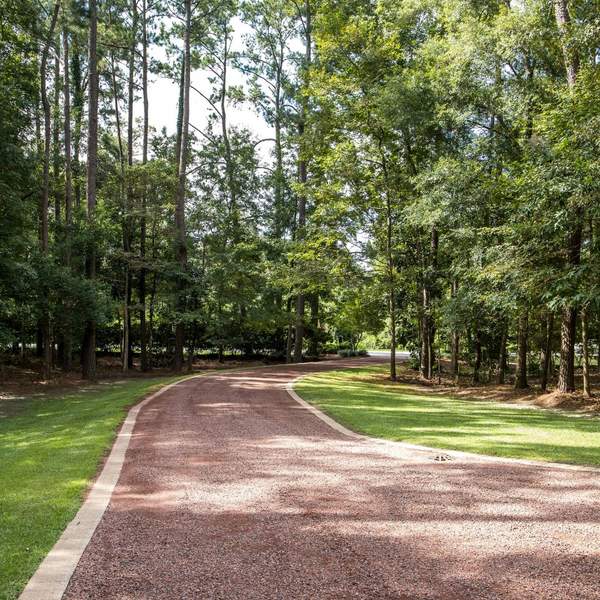
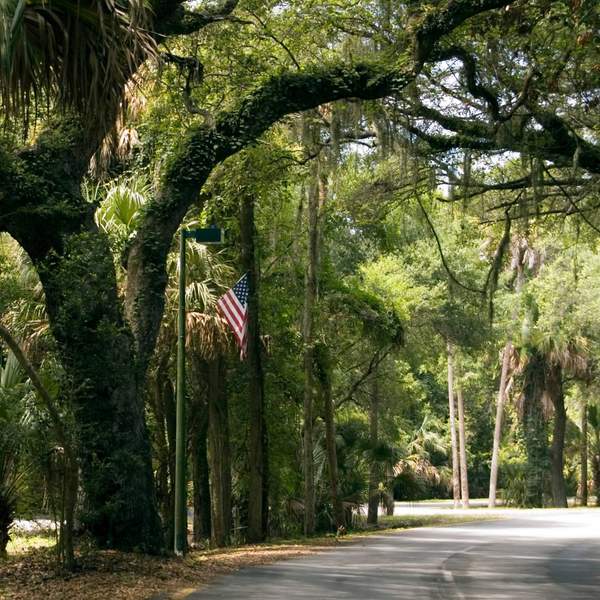
An image of a street lined with Live Oak Trees

Why Root Problems Are So Common in Gainesville

Gainesville's mature urban tree canopy is both an asset and a challenge. Many of the live oaks, laurel oaks, and other large hardwoods in established neighborhoods like Duckpond, Golfview, and Haile Plantation were planted — or grew naturally — decades before the homes, driveways, and utilities around them existed. As those trees matured, their root systems followed the path of least resistance: sidewalks, driveways, irrigation lines, and in some cases, foundations.

Florida's sandy soil makes things worse. Unlike clay-heavy soils that resist root penetration, Gainesville's sandy and loamy soils give roots easy passage in all directions. Surface roots are especially common here because the top 12 to 18 inches of soil tend to be where oxygen, water, and nutrients are most concentrated — so roots stay shallow instead of diving deep.

The result is that a beautiful, healthy live oak in your front yard may also be slowly destroying your concrete.

Invasive tree roots Gainesville FL

What Tree Root Removal Actually Involves

"Root removal" isn't always a single solution — it's a range of approaches depending on the situation. Here's how professionals typically handle it:

Surface Root Removal

Surface roots are the ones you can see: ridges and humps of root running along the top of the soil, sometimes breaching the surface entirely. They're a tripping hazard, a lawnmower's worst enemy, and they make certain landscaping all but impossible.

In some cases, surface roots can be cut back carefully without seriously harming the tree. The key variables are how close the cut is to the trunk, how much of the root system is being removed, and the overall health of the tree. As a rule of thumb, cutting roots within a radius of 3 to 5 times the trunk diameter puts significant stress on the tree and should only be done with a professional assessment first.

Removing surface roots without that assessment is one of the most common DIY mistakes we see in Gainesville — homeowners cut back roots to solve a landscaping problem and end up destabilizing a tree that then needs full removal months or years later.

Root Pruning for Damage Prevention

Root pruning is a targeted, controlled cut — typically done with a root saw or a vibratory plow — that severs roots growing toward a specific structure before they cause damage, or to prevent them from regrowing in a problem direction after initial removal.

It's commonly used when a homeowner is installing a new driveway, pool, or addition and wants to protect the investment without removing an otherwise healthy tree. A root barrier is sometimes installed after pruning to redirect future growth.

Root pruning is most effective when done proactively. By the time roots have already lifted concrete or cracked a foundation, the damage is done, and pruning alone won't fix it — you're then dealing with both root removal and repairs.

Root Removal as Part of Stump Grinding

When a tree has already been removed, the remaining root system doesn't disappear. Depending on the species, roots can persist underground for years — and in some cases, they continue to cause problems. Live oak and laurel oak roots in particular can be extensive enough to cause soil settlement and moisture issues even after the tree and stump are gone.

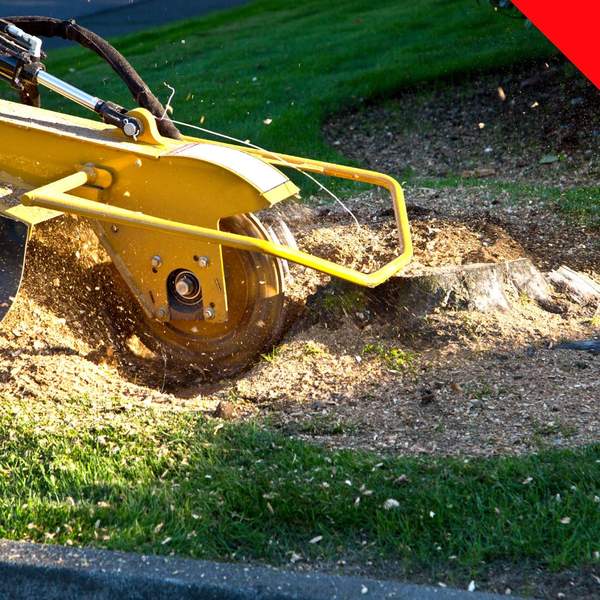
Our stump grinding service grinds the stump below grade, which addresses the immediate surface issue, but major lateral roots aren't always eliminated in that process. If roots are actively impacting a structure, driveway, or utility line, additional targeted root removal may be needed as a separate step.
Tree roots damaging driveway Gainesville

The Most Common Root Problems We See in Gainesville

  • Roots lifting driveways and sidewalks. This is the most frequent issue we see. A root running under asphalt or concrete will eventually heave it upward as it thickens over time. The fix depends on whether the root can be safely removed or whether the tree needs to come down entirely.
  • Roots near or under a foundation. This one causes the most anxiety — and rightfully so. Tree roots don't typically break through solid concrete foundations, but they can exploit existing cracks and worsen them over time. More often, the issue is roots drawing moisture out of the soil, which causes the soil to shrink and shift unevenly beneath a slab. If you're noticing cracks in your interior walls or doors that no longer hang correctly, it's worth having both a foundation professional and a tree professional take a look.
  • Roots growing into irrigation lines or septic systems. Roots follow water, which means irrigation pipes and septic drain fields are prime targets. Root intrusion into pipes can restrict flow or cause line failure, and it's rarely visible until there's already a problem. If you're having recurring irrigation or drainage issues and you have large trees nearby, root intrusion is a likely culprit.
  • Roots growing into a neighbor's property. This is a legal gray area that comes up more than you'd expect in Gainesville neighborhoods with mature trees. Florida law generally allows a property owner to trim roots (and branches) that cross their property line, but only up to the property line — and only in a way that doesn't damage the health of the tree. For anything more complicated than that, it's worth having a tree professional involved from the start. Our post on trimming a neighbor's tree limbs over your property line covers the legal side of this in more detail.
Selective lot clearing

When Root Removal Isn't Enough — and the Tree Needs to Come Down

Sometimes the honest answer is that the root situation has gone far enough that removing individual roots won't solve the problem — and continuing to prune the root system will eventually kill the tree anyway. In those cases, full tree removal is the more cost-effective and structurally sound choice.

Signs that removal may make more sense than root management:

  • The root system has already caused significant structural damage that pruning won't reverse
  • The tree is leaning or showing signs of destabilization from prior root cuts
  • The roots have been cut multiple times, and the problem keeps returning
  • The tree is in poor health overall, making it a poor candidate for the stress of root pruning
  • The proximity to a structure makes any root pruning inherently risky

We'll always give you a straight answer on which way makes more sense for your situation — there's no benefit to us in recommending removal when root management would do the job.

Don't DIY Tree Root Removal

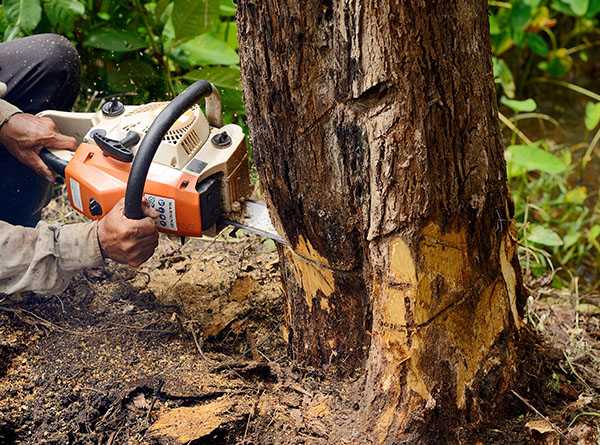
We understand the temptation — a visible surface root, a rental chainsaw, and an afternoon free. But cutting tree roots incorrectly is one of the fastest ways to turn a manageable situation into an expensive one. Done wrong, it can:

  • Destabilize a large tree and create a hazard over your home or vehicle
  • Kill a tree you wanted to keep, triggering the need for full removal
  • Cause immediate structural damage if the root is bearing load underground
  • Violate Gainesville's tree protection ordinance if the tree is a protected species or above a certain size threshold — something worth checking before any work begins

We've discussed the risks of DIY tree removal extensively in the past. A professional assessment costs nothing with The Wood Doctor. We come out, evaluate what's going on, and tell you exactly what the right approach is — whether that's targeted root pruning, full removal, or monitoring and doing nothing for now.

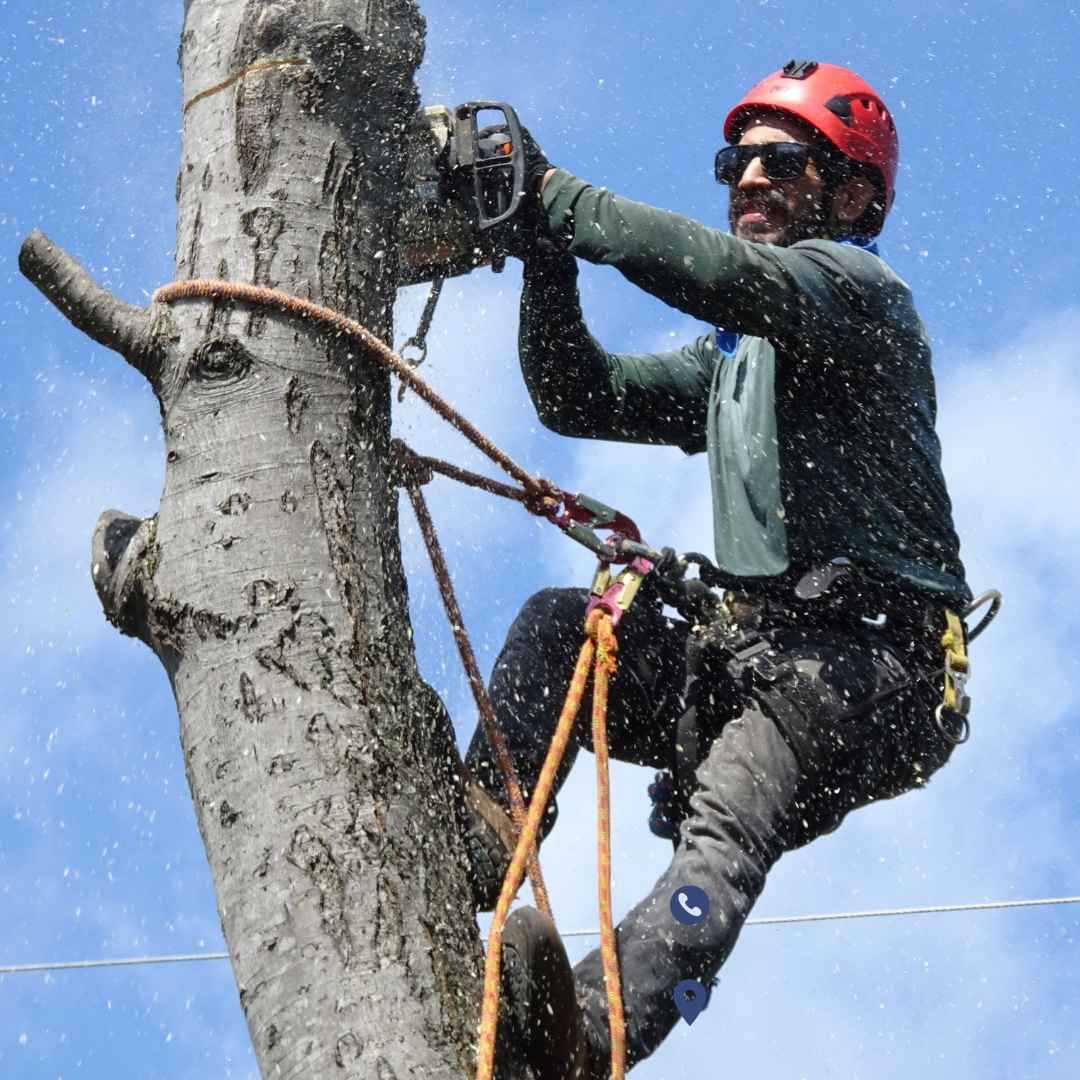
A man trimming a tree.

Get a Free Root Removal Assessment in Gainesville

If you're dealing with surface roots, roots near a structure, or just want to understand what's happening beneath your yard, give us a call. The Wood Doctor serves Gainesville, Micanopy, and Alachua County with licensed, insured tree care that's been trusted by local homeowners for over a decade.

Request a free quote online or call us directly at (352) 816-0826. We'll come take a look and give you an honest answer on what your property needs--whether that's complete tree removal or stump removal.